How to Choose the Right Refrigerator Type for Your Project
When it comes to choosing the right refrigerator for your commercial or residential space, there are many factors to consider, including functionality, energy efficiency, and maintenance needs. Two of the most common types of refrigerators are frost-free (also known as fan-assisted) and direct cooling models. These models differ in performance, power consumption, and maintenance requirements, making it crucial for developers, contractors, and home owners to select the best option for their specific needs. In this article, we will break down the pros and cons of each type, helping you make an informed decision for your project.
Understanding Frost-Free and Direct Cooling Refrigerators
Frost-Free Refrigerators
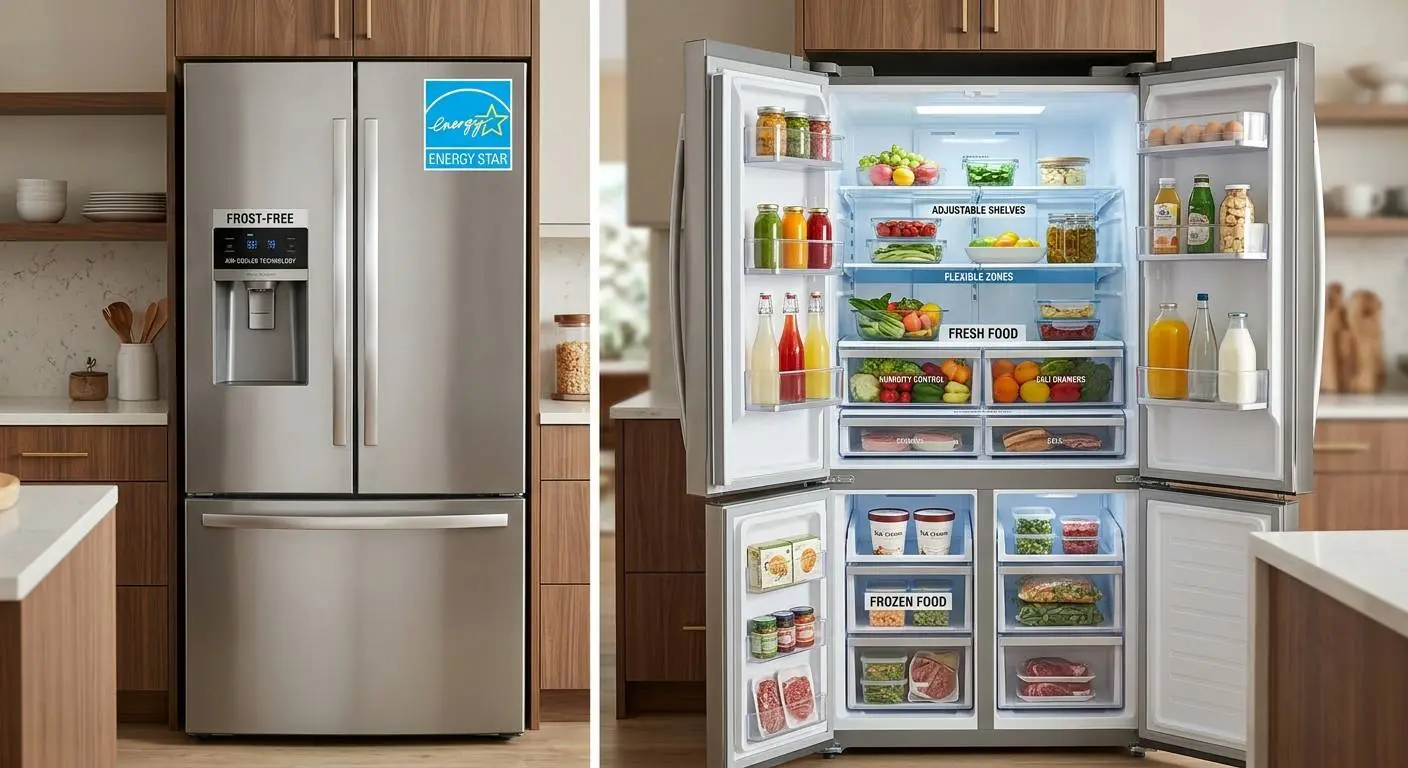
Frost-free refrigerators use a fan-assisted cooling system to circulate cool air inside the appliance. The key benefit of this system is that it prevents frost buildup, which means you won’t have to defrost the fridge manually. This feature makes it particularly convenient for larger spaces and for users who want minimal maintenance.
Advantages:
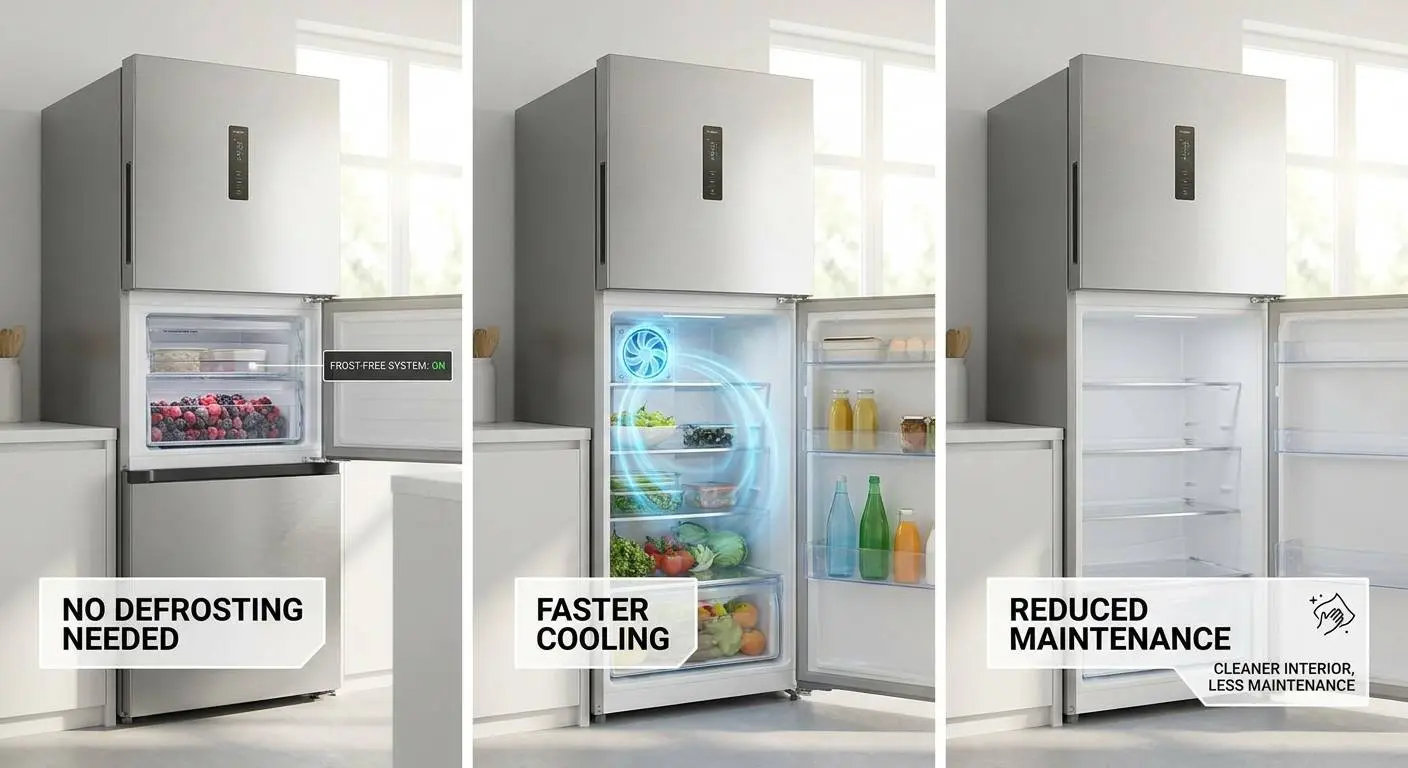
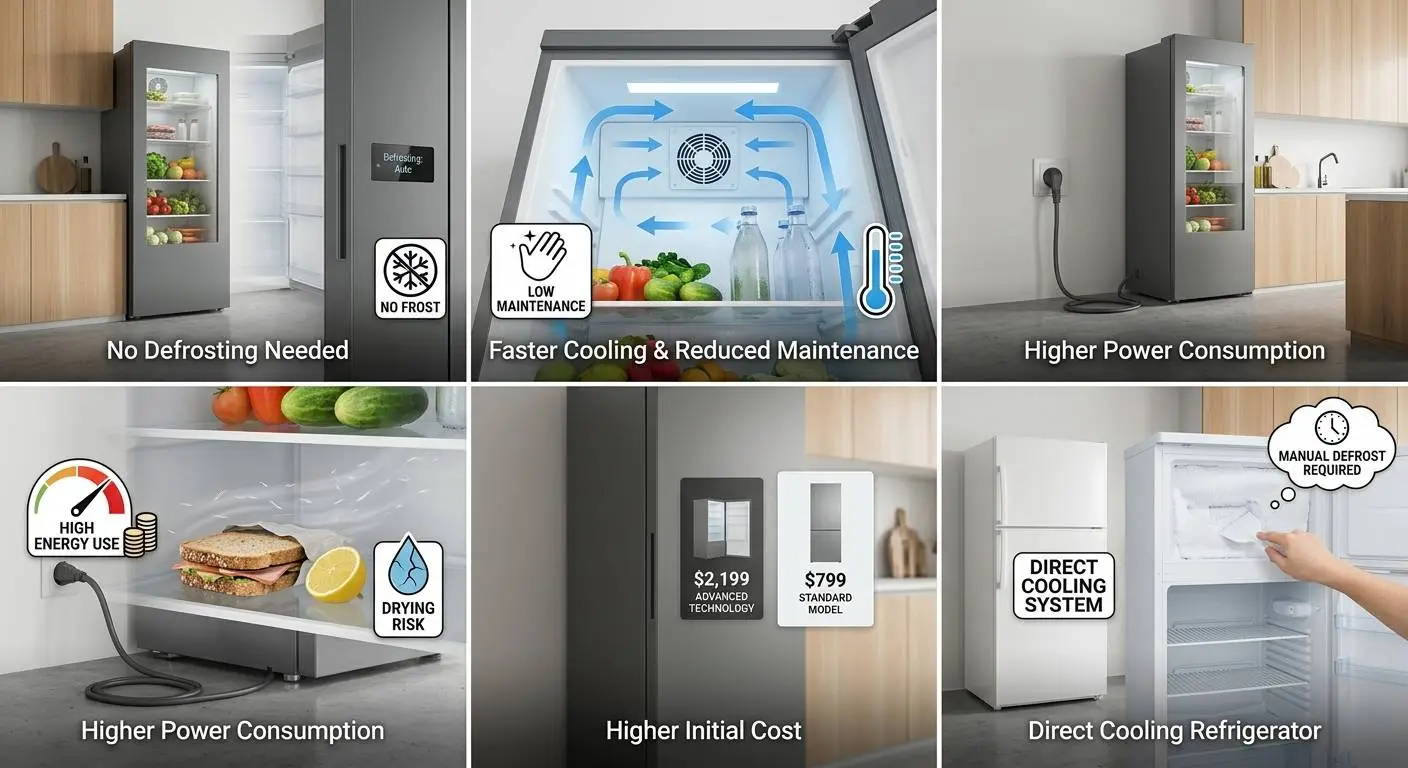
No Defrosting Needed: Since the system is frost-free, there’s no need to worry about manual defrosting, saving both time and effort.
Faster Cooling: The fan-assisted system cools food more quickly and evenly, ensuring consistent temperatures across all compartments.
Reduced Maintenance: The absence of frost buildup reduces the chances of mold and bacteria, leading to a cleaner fridge with less maintenance.
Disadvantages:
Higher Power Consumption: The fan-assisted cooling system requires more energy, leading to higher electricity costs over time.
Food Drying Out: The circulating air can cause food to dry out more quickly, so proper storage solutions are necessary.
Higher Initial Cost: Frost-free refrigerators generally cost more upfront due to their advanced technology.
Direct Cooling Refrigerators
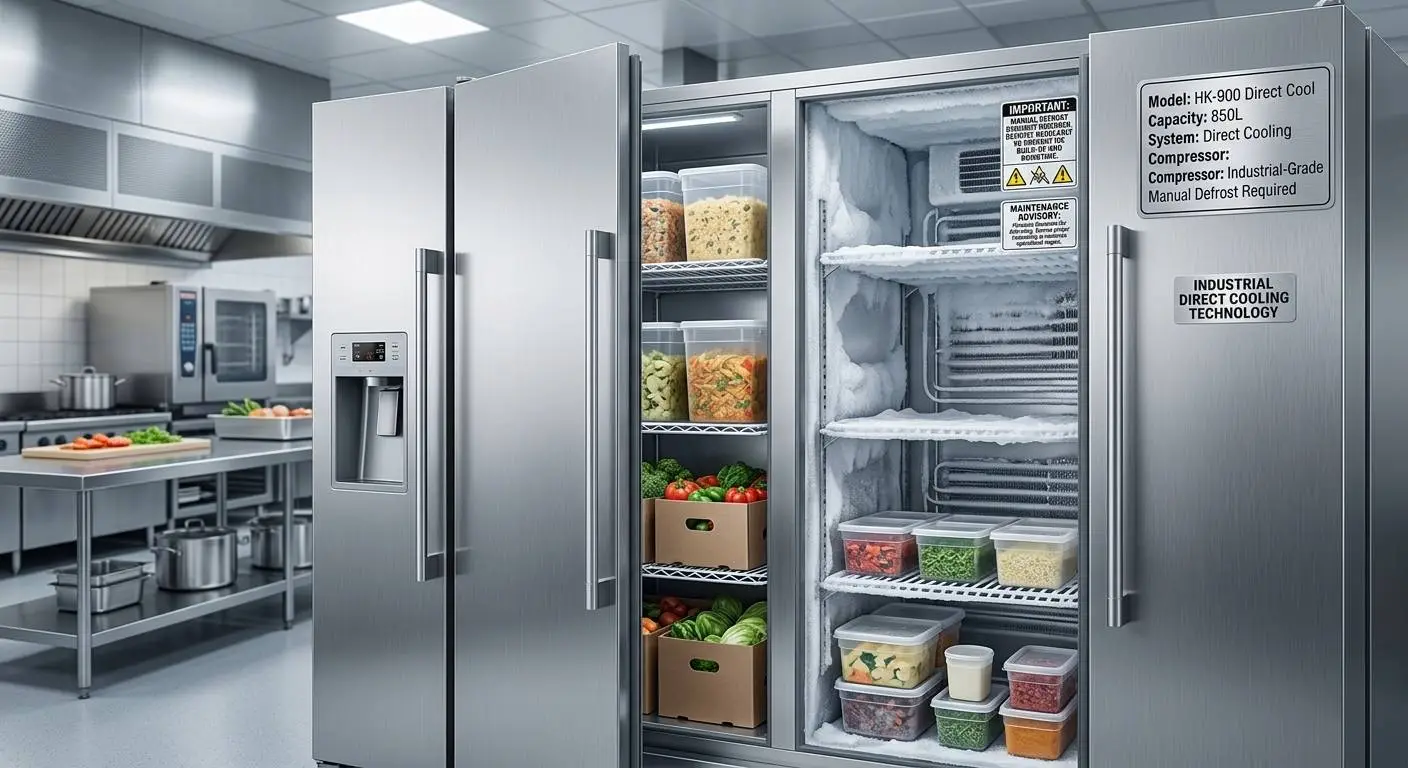
Direct cooling refrigerators use a natural convection system with an evaporator to cool the air inside the fridge. This system is simpler but requires manual defrosting from time to time. While the technology is relatively straightforward and generally more affordable, there are some disadvantages to consider.
Advantages:
Lower Power Consumption: Compared to frost-free refrigerators, direct cooling models generally consume less energy, making them a better choice for budget-conscious users.
Better Moisture Retention: Direct cooling refrigerators tend to preserve the moisture in food better, reducing the chances of drying out.
Lower Initial Cost: Direct cooling refrigerators are generally more affordable upfront than fan-assisted or frost-free models.
Disadvantages:
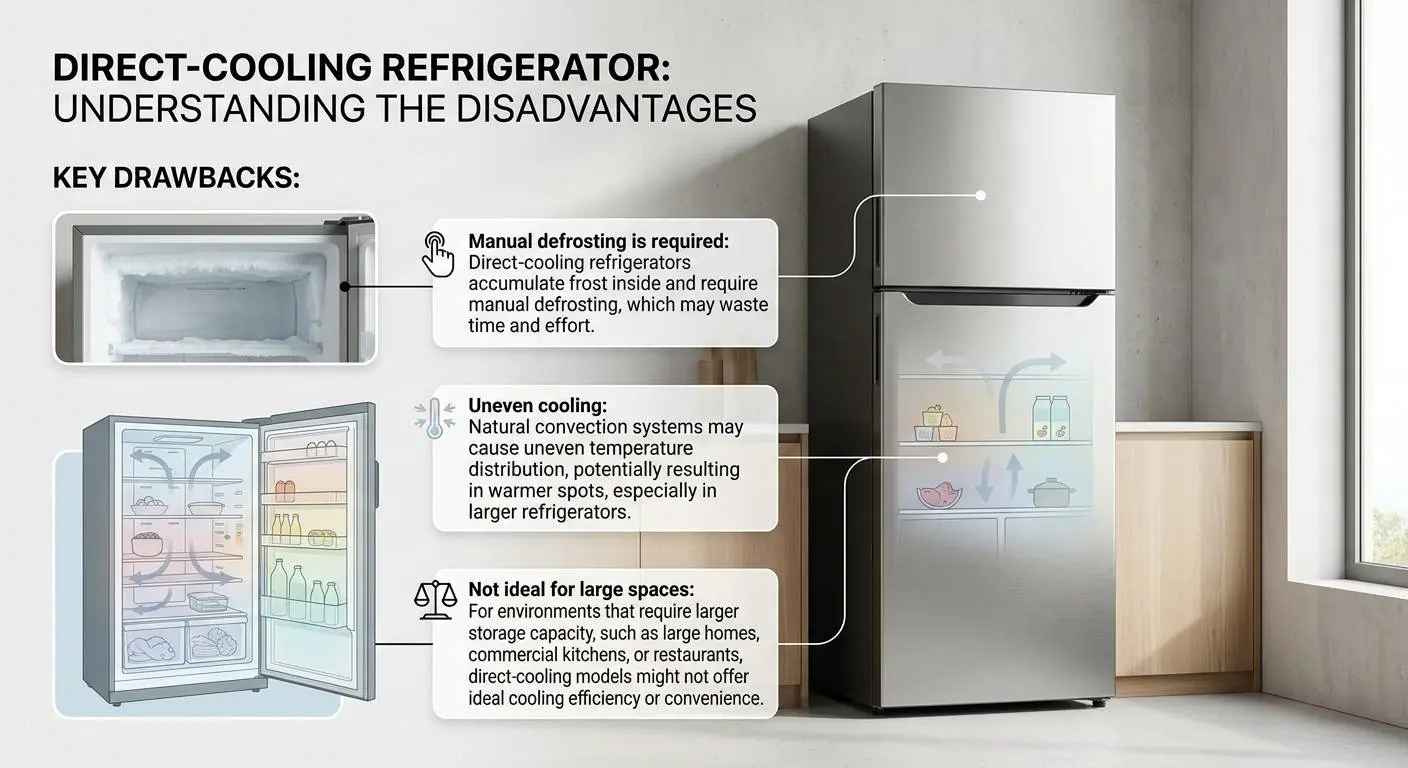
Requires Manual Defrosting: Direct cooling models accumulate frost inside and require manual defrosting, which can be time-consuming.
Uneven Cooling: The natural convection system may cause uneven cooling, especially in larger refrigerators.
Not Ideal for Large Spaces: For environments that require larger storage, such as restaurants or larger homes, direct cooling refrigerators might not offer ideal results.
Choosing the Right Refrigerator Type for Your Project
For Apartments and Small Spaces
If you’re looking for a refrigerator for an apartment or small residential space, a frost-free model may be the best choice. While these models come at a slightly higher cost, their ease of maintenance and more consistent cooling make them ideal for smaller households or spaces where convenience and efficiency are paramount. If you’re working with limited space, opt for a compact frost-free refrigerator that can fit seamlessly into your kitchen.
Key Considerations:
Energy Efficiency: Look for frost-free models with Energy Star ratings to minimize electricity costs.
Size and Layout: A model with adjustable shelves and a clear separation between fresh and frozen food will provide the most storage flexibility.
For Hotels and Commercial Spaces
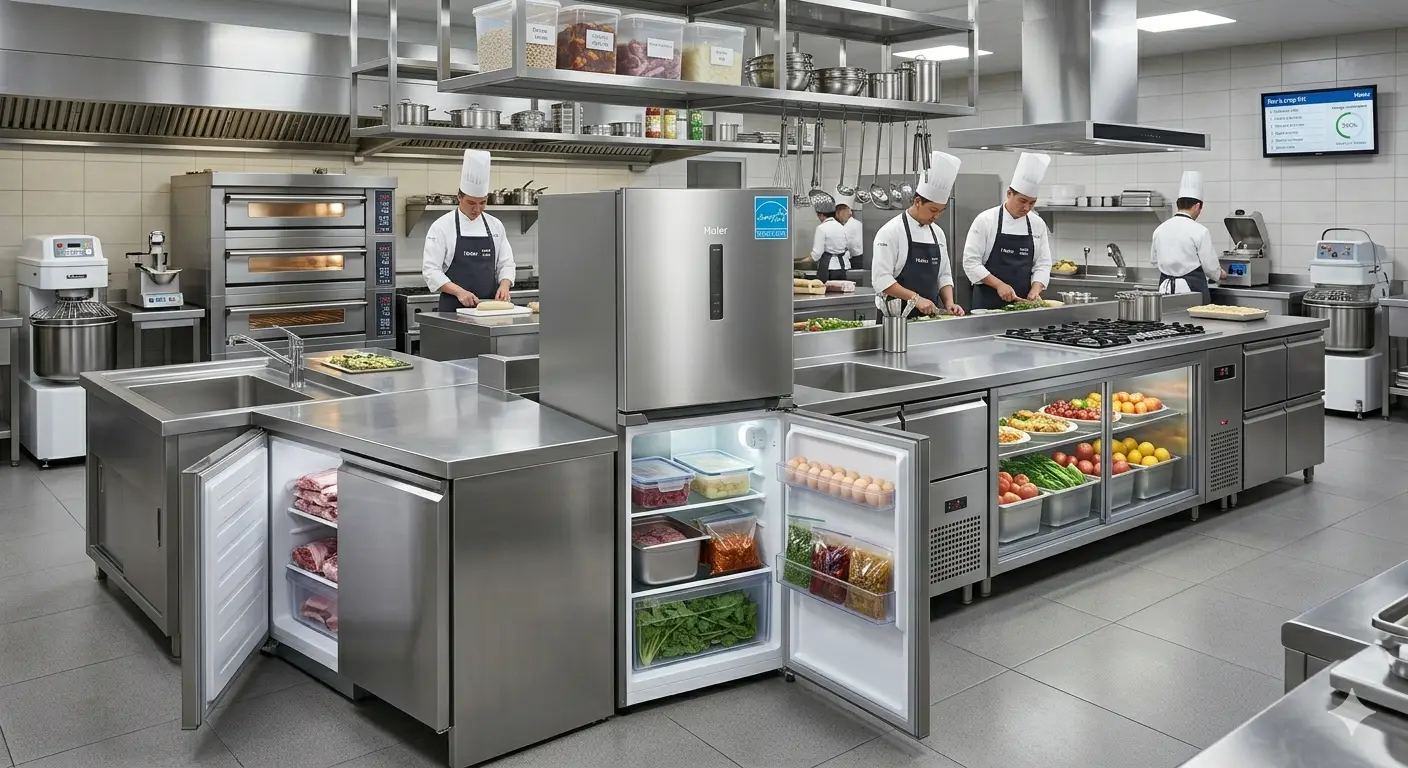
In the commercial space, such as hotels or large kitchens, frost-free refrigerators are ideal for high-volume use. They can handle frequent opening and closing, which is common in these environments, without compromising cooling performance. Additionally, their larger capacities make them suitable for storing a wide variety of items.
For businesses focused on energy efficiency and cost savings, choosing a direct cooling model can be a good option. Although it requires more maintenance, the lower upfront cost and energy consumption make it a viable choice for large-scale use in commercial spaces, especially if maintenance teams are readily available.
Key Considerations:
Capacity: Choose a large capacity refrigerator to store a variety of food items.
Maintenance: Consider the cost of defrosting and potential downtime if using direct cooling models.
For High-End Residential Projects
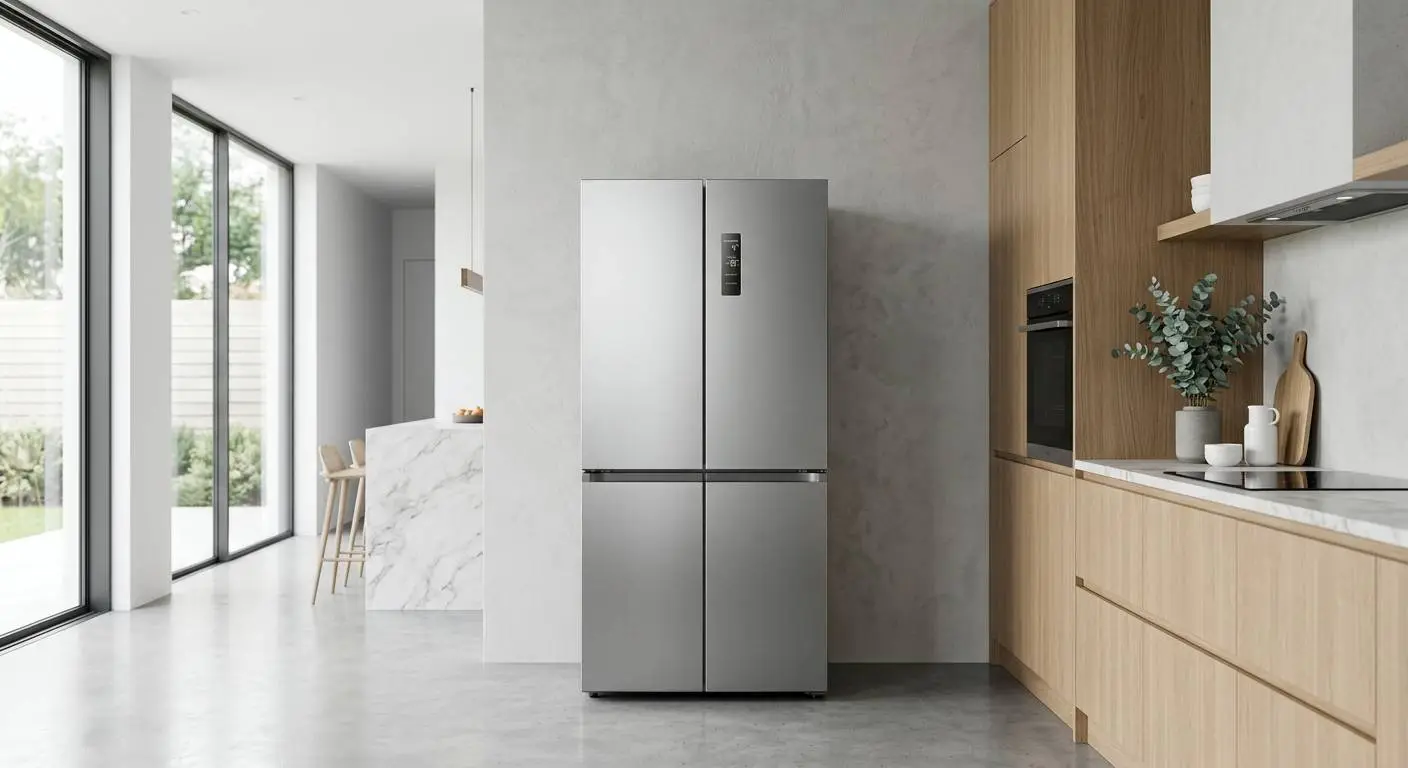
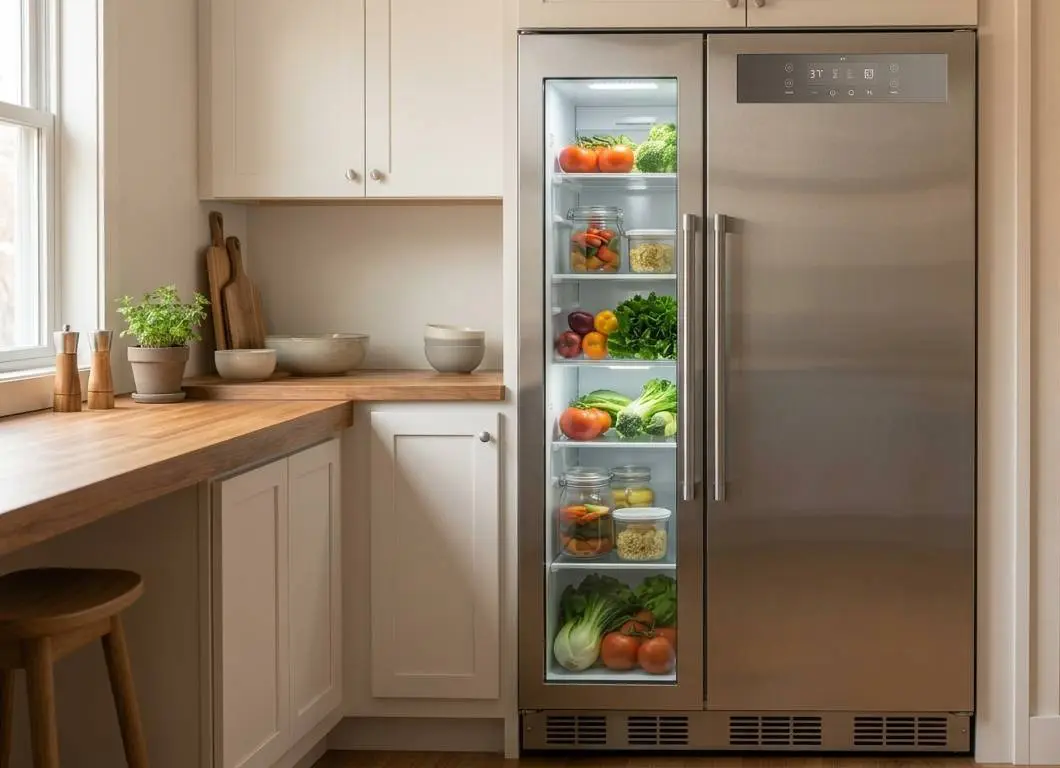
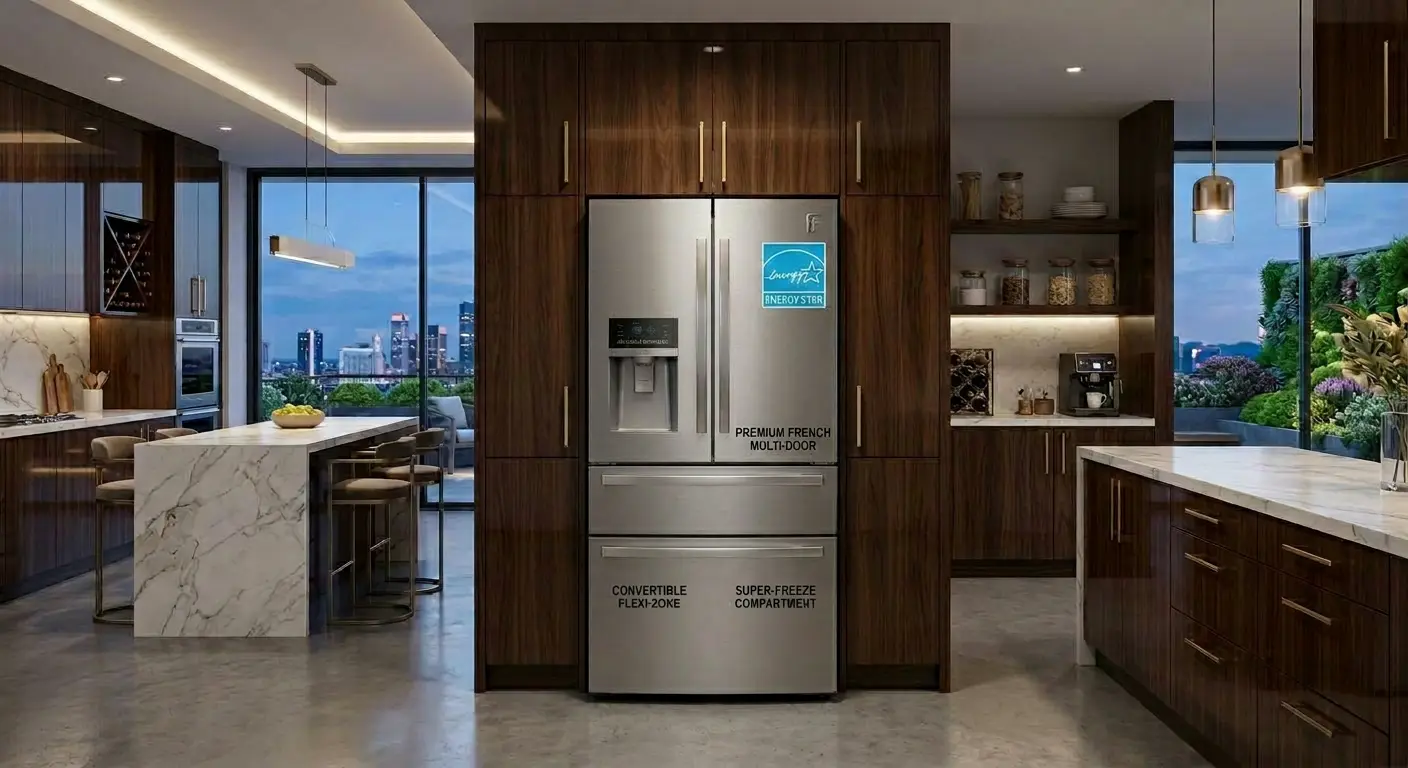
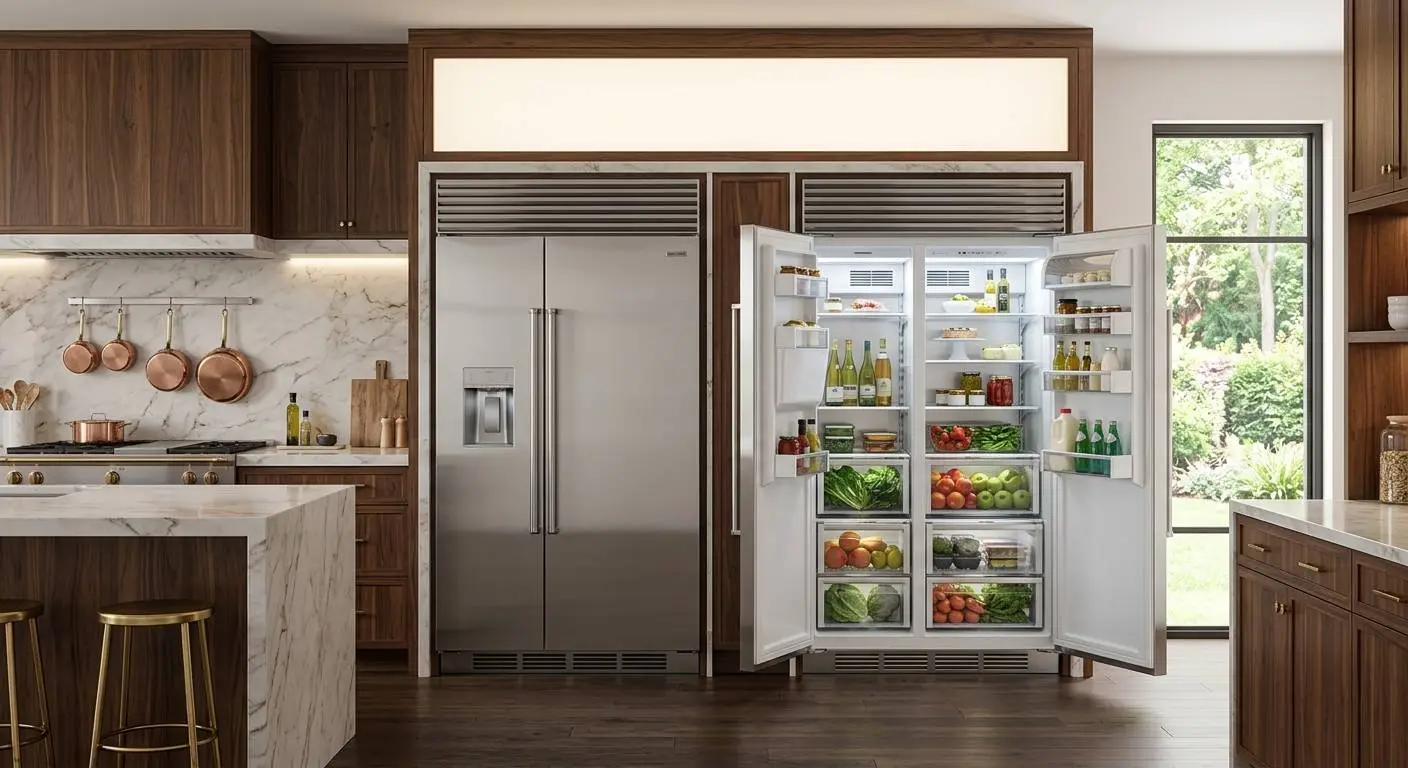
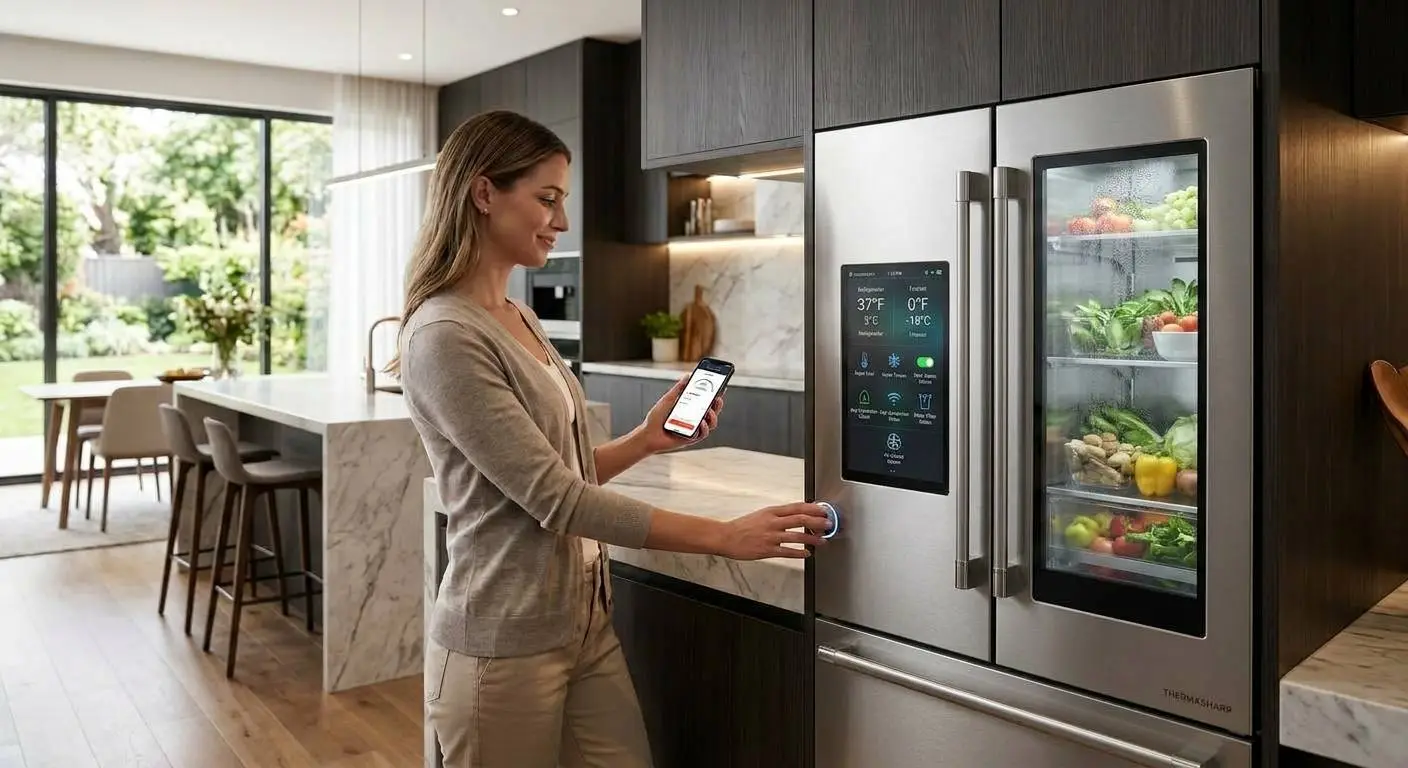
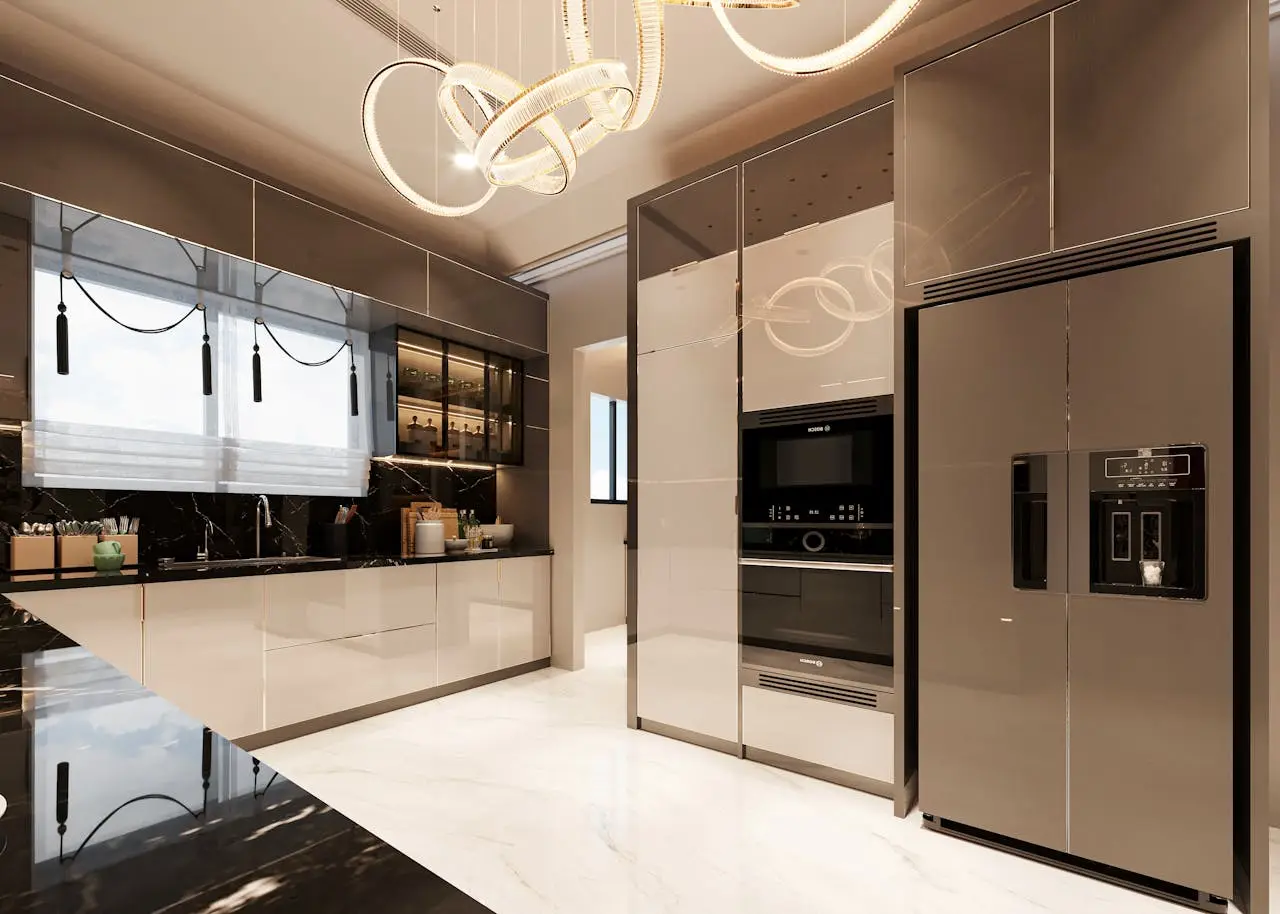
For luxury homes and high-end properties, french-door and side-by-side frost-free refrigerators provide the best combination of aesthetics, storage space, and advanced features. These refrigerators often come with additional smart features, such as temperature control settings, LED lighting, and energy-saving modes.
Key Considerations:
Smart Features: Consider models that offer Wi-Fi connectivity and app controls for added convenience.
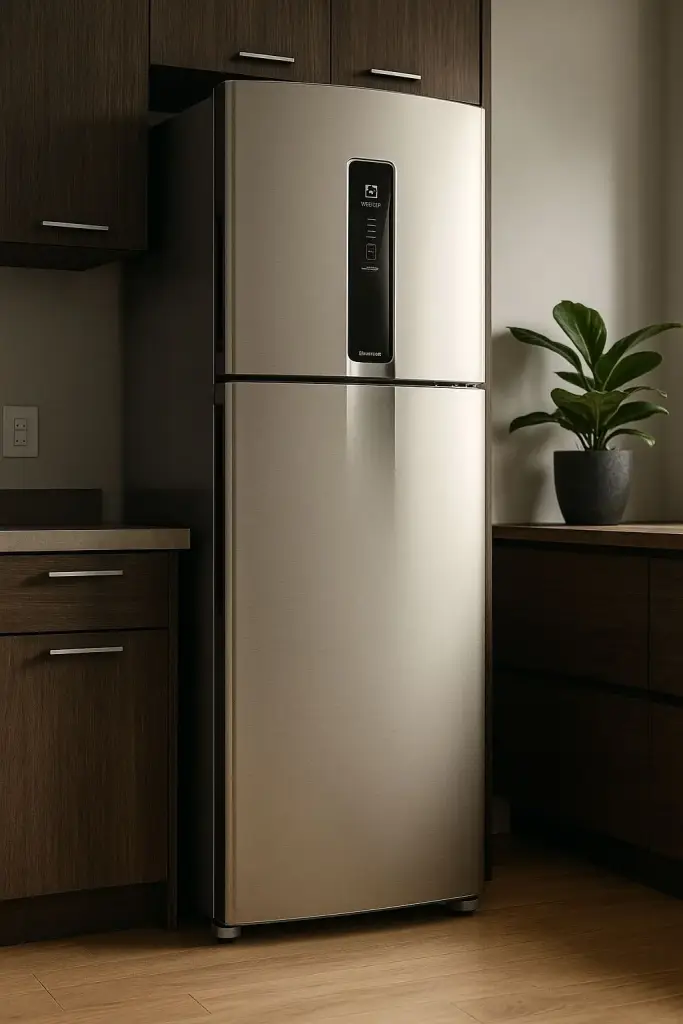
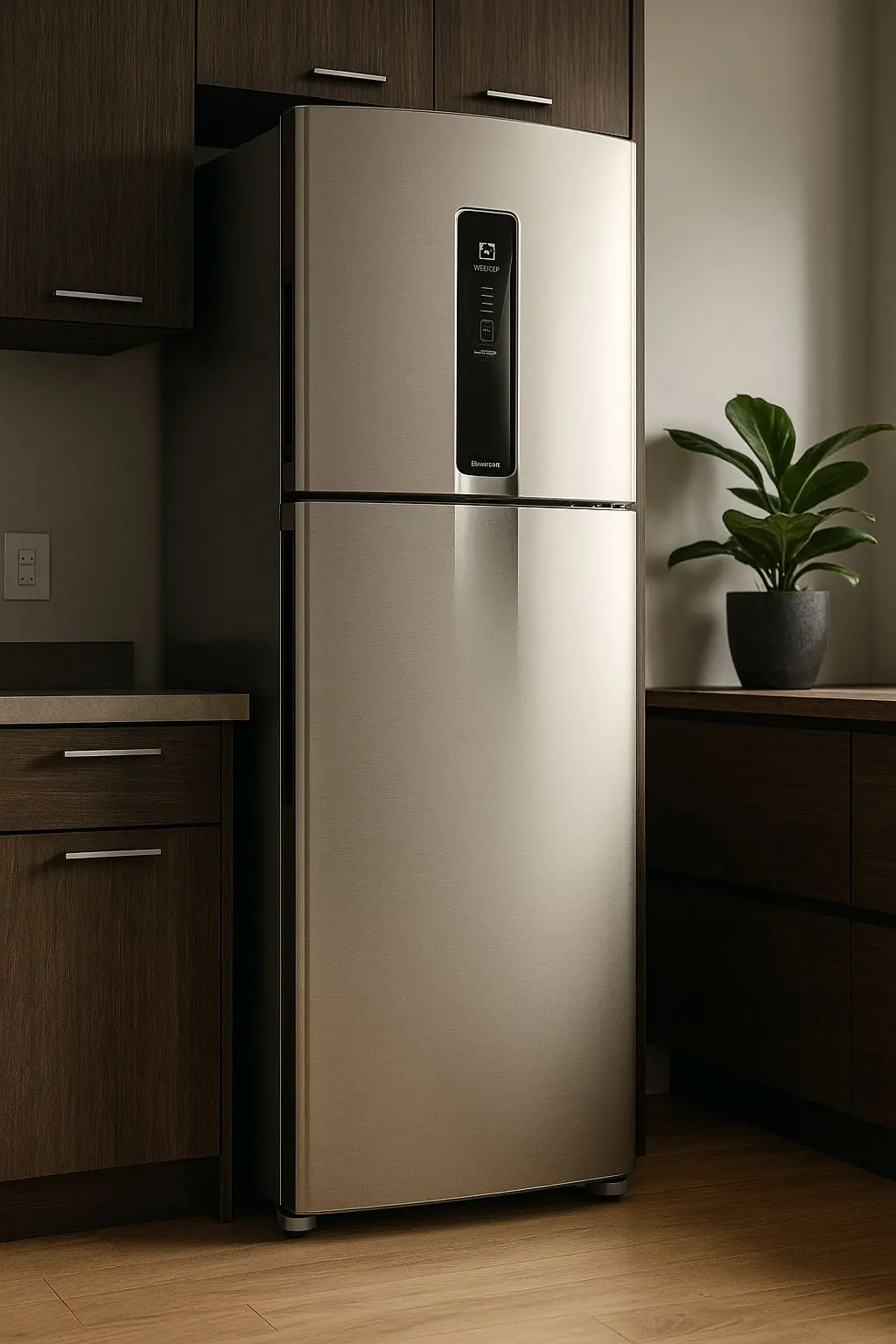
Aesthetic Appeal: Look for models with stainless steel finishes and sleek designs that complement modern kitchens.
In conclusion, the decision to choose between a frost-free or direct cooling refrigerator comes down to your specific needs, whether for residential or commercial purposes. If energy efficiency and convenience are your priorities, a frost-free refrigerator is your best bet, while direct cooling refrigerators are suitable for smaller budgets and spaces. Be sure to consider the scale of your project, maintenance requirements, and long-term costs when making your decision. With the right refrigerator, you can ensure optimal food storage and an efficient cooling system that suits your space.